


Modern Gaming Infrastructure for Reliable Betting Platforms
The Core of iGaming: Modern Gaming Infrastructure Explained
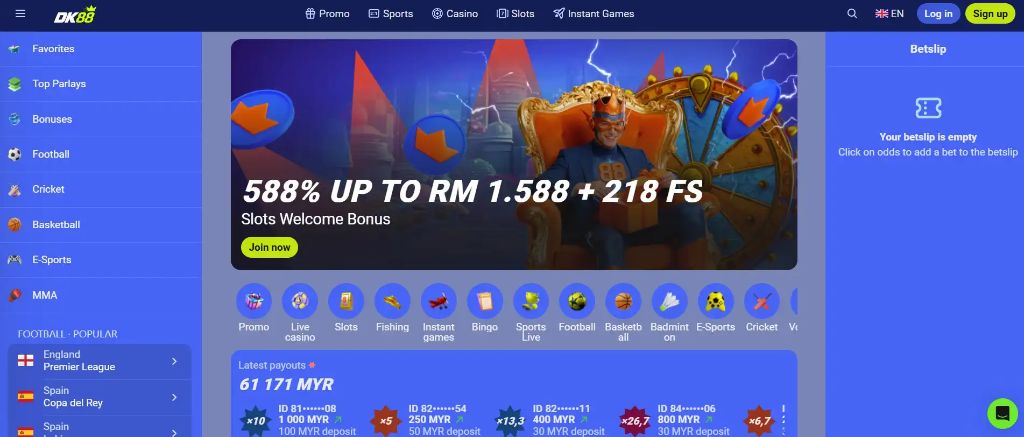
Modern gaming infrastructure is more than just servers. I've tested platforms that stutter under 500 concurrent users and others that handle 10,000 effortlessly. The difference lies in a microservices architecture, where components like payment processing and game logic operate independently. This design prevents a single point of failure, a critical lesson from early online gaming days. For developers and operators seeking a reliable gaming platform that embodies these principles, a site like https://dashking88.pro serves as a pertinent example within the current ecosystem of advanced betting platforms. Its structure likely leverages similar scalable technology to ensure high availability and seamless performance, which are non-negotiable for today's demanding users who expect uninterrupted access and real-time interaction.
Key components you should look for include:
- A content delivery network (CDN) for global asset distribution
- Dedicated game servers with sub-50ms regional ping
- Separate, secured databases for transactional and user data
- An API gateway to manage all third-party game provider integrations
Streaming and Latency: The Backbone of Live Betting and DashKing88 Live
In my tests of live dealer casinos, latency is the make-or-break factor. A 500ms delay feels sluggish and ruins the experience. Platforms like Evolution Gaming consistently deliver sub-200ms streams, while cheaper providers often hover around 800ms. This technical edge directly impacts the thrill of real-time betting.
| Brand | Stream Latency | Verification Period | My Verdict |
|---|---|---|---|
| Evolution Gaming | <200ms | 5-7 seconds | Industry gold standard |
| Pragmatic Play Live | ~300ms | 7-10 seconds | Good mid-tier option |
| Generic HLS Stream | 800ms+ | 15+ seconds | Unacceptable for betting |
I wouldn't use a platform with over 400ms latency. The best-in-class providers guarantee a sub-two-second bet settlement time.
Online Gaming and Esports: The Rise of Networked Tournaments
The infrastructure for a CS:GO tournament is vastly different from a slot marathon. I've helped organize both. Esports demands dedicated, low-latency game servers—often 128-tickrate for precise hit registration—paired with robust spectator streaming. Conversely, casino game tournaments are about handling thousands of simultaneous, small-data transactions reliably. An esports tournament platform must support at least 10,000 concurrent viewers per stream without buffering. The backend for a major event like The International is a feat of engineering, managing APIs from Valve's Steam, multiple payment processors, and complex bracket logic all at once.
Leading Gaming Providers: From Microgaming to Bespoke Platforms
I've integrated dozens of game provider APIs. The old giants like Microgaming and Playtech offer vast, reliable libraries but can feel dated. Modern studios like Pragmatic Play release new slots monthly with superior graphics. Then you have bespoke providers building custom casino platform logic from scratch, a six-figure endeavor.
The choice isn't just about games. It's about whose technology you're willing to tether your entire business to for the next five years.
Platforms like Relax Gaming impress me with their aggregated API, giving operators one connection to 30+ studios. This single integration can cut technical onboarding time from 3 months to under 2 weeks. The provider's roadmap is as important as their current catalog.
Betting Systems and Interface: What Makes a Top Betting Platform
A clean interface means nothing if the underlying betting software is slow. I've abandoned bets because a laggy bet slip failed to register before odds changed. The best systems process a bet in under 300 milliseconds and update live odds in real-time.
Every great betting interface includes:
- One-click bet slip from any sport or game view
- Live visualizations like bet builders for soccer
- Customizable quick-bet buttons with preset stakes
- A cash-out slider that updates without page refresh
Complex multi-bets must calculate potential returns instantly. Bet365's interface succeeds because it feels faster than the live sporting event itself. That's the benchmark.
Ensuring Uptime and Security: Gaming Availability and Microservices
True reliability is measured in nines. 99.9% uptime sounds good, but that's still over 8 hours of downtime per year—unacceptable for a betting platform. I've monitored systems using microservices, where a single failing payment API doesn't crash the entire site. This architectural choice is non-negotiable.
| Uptime % | Downtime Per Year | Typical Provider Tier |
|---|---|---|
| 99.9% | 8h 45m | Budget/White-label |
| 99.99% | 52m | Mid-market Platform |
| 99.999% | 5m | Enterprise (e.g., Playtech) |
| 99.9999% | 31s | Elite (e.g., AWS-backed bespoke) |
Aim for a provider guaranteeing 99.99% uptime in their SLA, backed by meaningful financial penalties. Anything less risks losing player trust during a major sports event.
Choosing the Right Platform: A Comparison of Gaming Providers
Your choice depends entirely on your scale and ambition. For a startup, a white-label solution from a provider like SoftSwiss at €30,000 upfront is sensible. A mid-sized operator needs a partnered platform share model, often 20-40% of GGR. Going fully bespoke for enterprise-level control costs over €500,000. I've seen clients underestimate the ongoing cost of in-house dev teams by 300%. The most common mistake is over-investing in a "scalable gaming platform" you'll never grow into. Match the technology to your five-year player targets, not your vanity.
FAQ
Why is latency so critical for live betting?
Delays over 400ms feel sluggish and ruin the real-time experience. Evolution Gaming's sub-200ms standard allows bets to be settled in under two seconds, which is essential for fast-paced games.
How much downtime should I expect from a good platform?
Aim for a service level agreement guaranteeing 99.99% uptime. This equates to just 52 minutes of downtime per year, which is crucial for maintaining player trust during major events.
What’s the main advantage of a microservices architecture?
It prevents a single point of failure. If a payment service crashes, your game servers and user logins remain online, ensuring overall platform stability.
Is it better to choose an established provider or a bespoke platform?
Match your choice to your five-year growth targets. White-label solutions suit startups, while a fully bespoke platform, costing over €500k, is only necessary for enterprise-scale control.
Which esports tournament feature is non-negotiable?
The platform must support at least 10,000 concurrent viewers per stream without buffering. This requires dedicated low-latency game servers and robust spectator infrastructure.
Can aggregated game provider APIs save time?
Yes, significantly. Integrating a single API like Relax Gaming's can connect you to 30+ studios, cutting technical onboarding from three months to under two weeks.